



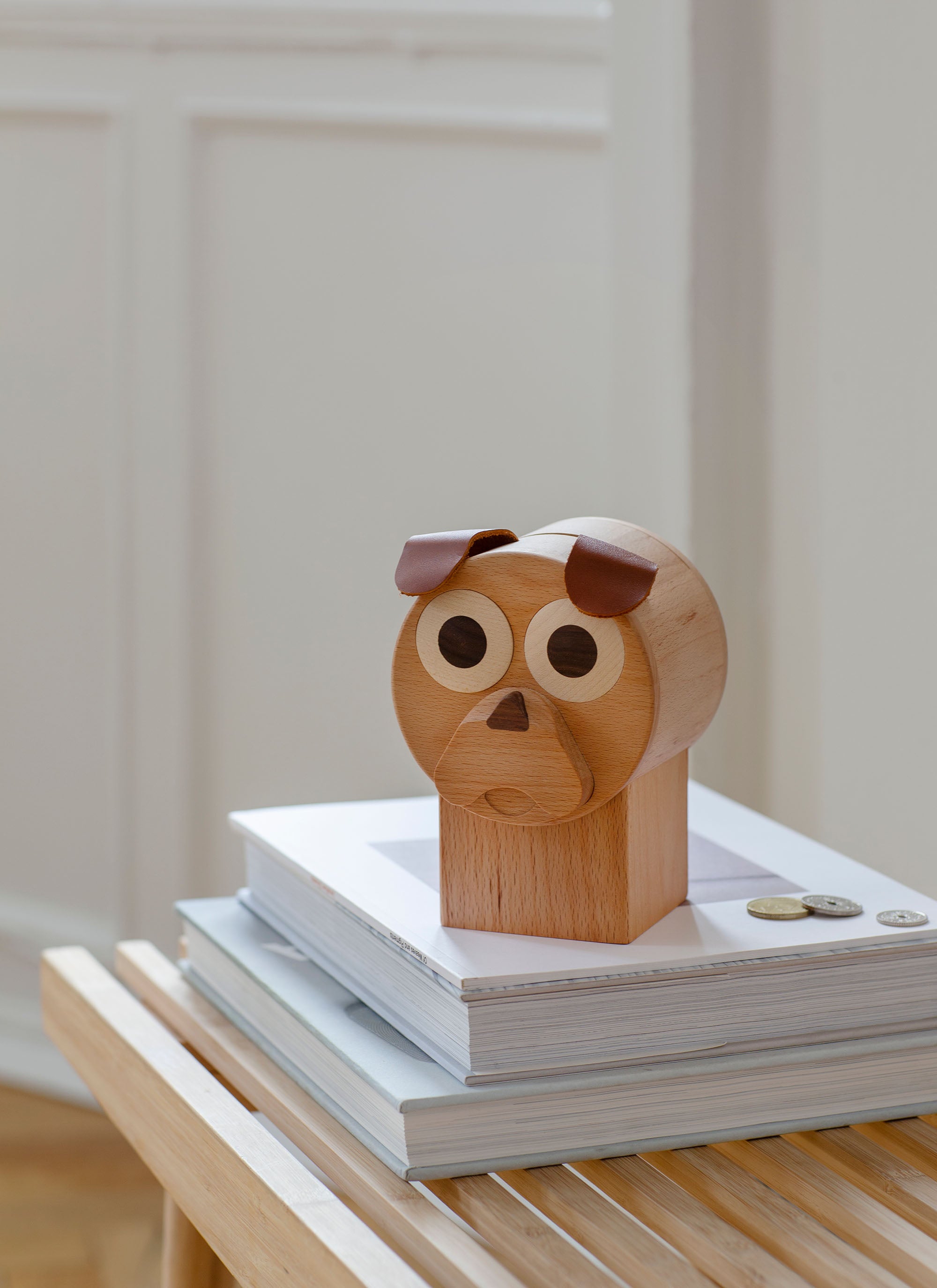
On the shelf in Peter Sørensen’s living room stands a small piece of spectacular Danish design. It has been there for a long time – about ten years. It doesn’t make much of a fuss, but still attracts comments every time new guests explore the living room.
One evening in 2015, the guest was no stranger, as Claus Nielsen is a frequent visitor to Peter’s home.
Two years ago, Peter and Claus worked together at another company. At one point, the figurine inspired them to discuss Danish design. The idea of challenging the established Danish design scene with an innovative design company slowly began to take shape.
That little piece of design was Sven Erik Tonn-Petersen’s iconic Pepper Bird from the 1960s, and it sparked their dreams of working with Danish and Nordic design.
The story is the motivation
Both Peter and Claus grew up in homes with a great love of Danish design and interior design in general. They both get a real kick out of unearthing old stories and forgotten designs from the archives.
What all the designs that go into production have in common is precisely their story. It must engage and stir emotions – and ideally make a difference in the home, say the two partners:
“At the heart of our products is a good story. We believe in revitalisation and always try to think in terms of renewal. We’re mainly looking for designs that can be timeless, are archetypal and evoke emotions – something that can become new classics. We’re fundamentally passionate about aesthetics, simplicity and functionality, but we’re also passionate about good quality,” says Peter.
“We love great ideas. And we love bringing the story behind the idea to life and developing it further. That’s what gets us out of bed in the morning. We search high and low – and sometimes even hire private detectives – to find designs that have unique stories and can bring something extra to the world of design,” explains Claus.
Original designs make everyday life more fun
The two partners agree that it is their slightly different approach to design that makes Spring Copenhagen something special. And they’re proud of their openness to new designs:
“We believe that anyone and everyone can have a good design idea. Good designs don’t necessarily have to come from a trained designer or architect. And originality is extremely important to us. Everyday life often becomes a little more fun when we surround ourselves with original design,” says Claus.
Spring Copenhagen operates from a Danish and Nordic design perspective. And from the very beginning, they have sought to work with the best in the industry when it comes to international distribution. In the long term, this should ensure that Spring Copenhagen also gains international recognition.
Initially, however, the priority is for Danish consumers to be able to easily recognise a Spring Copenhagen design. The two design pioneers acknowledge that the easiest way to achieve this is by offering consumers a strong product.
“We strive to find simple, unique designs that offer features consumers actually need. When good design, quality, demand and price come together in perfect harmony, it’s magical. It’s not an easy task. We often work hard with the designers, our team and our suppliers to give consumers the very best product at the best price,” says Peter.
Design has been part of their lives for 15 years
Design is no stranger to the two business partners.
They have owned and worked in many different companies over the last 15 years. In every company, design has influenced how they have acted, thought and engaged people.
“Design isn’t just about the sort of products we’re making now. It’s also about solutions for how we move, how we improve, how we communicate, sell and market ourselves.”
“We’ve both previously run companies where we’ve worked directly with everything from packaging design and experience design to game and product design. We’re drawing on all that knowledge in the development of Spring Copenhagen,” concludes Claus.


